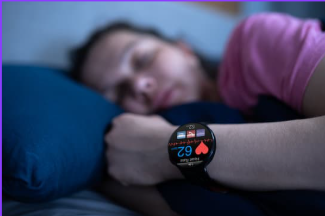
Perimenopause is one of the most misunderstood phases of a woman’s life. Symptoms often begin in the mid‑30s to early 40s, long before cycles become irregular. Women notice changes in sleep, mood, metabolism, recovery, and stress tolerance - but they’re often told it’s “just aging” or “just stress.”
Wearable technology is changing that.
Today’s wearables - including Garmin, Oura, Whoop, Apple Watch, and Fitbit — give women real, objective data about what their bodies are experiencing. Instead of guessing, women can finally see the patterns behind their symptoms.
For many, it’s the first time their lived experience is validated.
Why Wearables Matter in Perimenopause
Perimenopause affects nearly every system in the body. Hormonal fluctuations influence:
-
Sleep quality
-
Body temperature regulation
-
Stress response
-
Heart rate variability (HRV)
-
Recovery and energy
-
Metabolic flexibility
-
Cycle regularity
-
Mood and cognitive clarity
Wearables help women track these changes in real time, making it easier to understand what’s happening - and what to do next.
What Wearables Can Reveal About Perimenopause
1. Sleep Disruptions & Sleep Quality
One of the earliest signs of perimenopause is sleep fragmentation, especially waking between 2–4 AM.
Wearables commonly show:
-
More nighttime wakefulness
-
Reduced deep sleep
-
Shortened REM cycles
-
Elevated overnight heart rate
-
Lower recovery scores the next day
These patterns often reflect progesterone decline, cortisol shifts, or night sweats.
2. Temperature Changes
Many wearables track skin temperature trends, which can reveal:
-
Early hot flash patterns
-
Cycle irregularity
-
Anovulatory cycles
-
Subtle thermoregulation changes
This is especially helpful when cycles start to feel unpredictable.
3. Heart Rate Variability (HRV)
HRV is a window into the nervous system. During perimenopause, HRV often drops due to:
-
Sleep disruption
-
Stress load
-
Estrogen fluctuations
-
Inflammation
Tracking HRV helps women understand recovery and stress resilience.
4. Cycle Tracking & Ovulation Clues
Wearables can help identify:
-
Short luteal phases
-
Anovulatory cycles
-
Cycle length variability
-
PMS pattern changes
This gives women a clearer picture of where they are in the transition.
How Food, Alcohol, and Evening Habits Show Up in
Wearable Data
This is one of the most eye‑opening parts for women - and one of the most validating.
Perimenopause changes how the body metabolizes alcohol, sugar, caffeine, and late‑night meals. Wearables make these shifts visible.
Alcohol
Even one drink can show up as:
-
Elevated overnight heart rate
-
Suppressed HRV
-
Reduced deep sleep
-
More nighttime wakefulness
-
Higher skin temperature
-
Lower recovery score the next day
Many women say, “I only had one glass of wine — why did I sleep terribly?” Wearables show the physiologic impact clearly.
Later‑Evening or Night Eating
Wearables often reveal:
-
Higher resting heart rate
-
Lower HRV
-
More restlessness
-
Poorer sleep efficiency
Digestion competes with overnight repair — something perimenopausal bodies feel more intensely.
High‑Sugar or High‑Carb Meals
Women may see:
-
Elevated nighttime heart rate
-
Lower HRV
-
More awakenings
-
Lower sleep scores
Blood sugar instability becomes more common as estrogen and progesterone fluctuate. Personally, have learned that sweets need to happen after lunch if I want to have a good night's sleep.
Caffeine
Especially after 2 PM, wearables may show:
-
Delayed sleep onset
-
Reduced deep sleep
-
Higher overnight heart rate
Perimenopause increases caffeine sensitivity for many women.
Best Wearables for Perimenopause
Garmin
Garmin is a powerhouse for women who want detailed, actionable data. It offers:
-
Body Battery (stress + recovery score)
-
HRV Status
-
Sleep stages
-
Respiration rate
-
Training readiness
-
Morning readiness reports
-
Menstrual cycle tracking
Garmin is especially helpful for active women or those who want deeper insight into stress and recovery. I have the Garmin Fenix and love it.
Fan favorite: Oura Ring
-
Best temperature tracking (a few years ago before my Garmin, I had Oura Ring - it helped me identify a higher morning body temperature than usual, which led me to test for Covid (and realize I was positive) before work one day
-
Excellent sleep analytics
-
HRV + recovery insights
-
Cycle prediction based on temperature trends
Whoop
-
Best for HRV and recovery
-
Ideal for women who train regularly
-
Tracks strain vs. recovery balance
Apple Watch
-
Convenient, all‑in‑one
-
Cycle tracking + heart rate
-
Great for women who want simplicity
Fitbit
-
Accessible and user‑friendly
- Solid sleep and stress tracking
How Wearables Support Hormone Therapy Decisions
Wearable data helps clinicians:
-
Identify cortisol dysregulation
-
Validate patient symptoms
-
Monitor sleep improvements
-
Support metabolic and weight‑related goals
-
Guide exercise and recovery recommendations
Women love seeing objective proof that their body is changing, that changes they make reflect in the data and how they feel.
The Bottom Line
Wearables give women something they’ve never had before: data that validates their lived experience.
In perimenopause — a phase often minimized or misunderstood — this is empowering.
Women can finally have some insight into:
-
Why they’re waking at 3 AM
-
How alcohol hits differently
-
Why recovery takes longer
-
Why stress feels heavier
-
Why their cycles feel unpredictable
And with the right guidance, they can use this information to make meaningful changes.

Andrea Koch, CNP, WHNP-BC, IFMCP
Contact Me